Detroit is Different

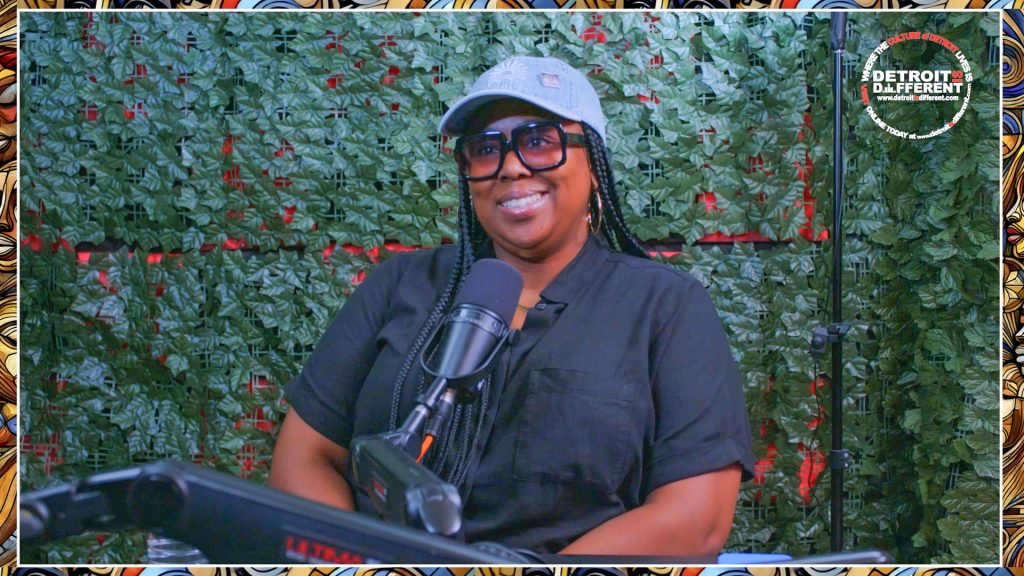
  • Latest episode: “I Set Up Shop and Built the Vision, Jason Phillips on Art, Ink, and Detroit Legacy”
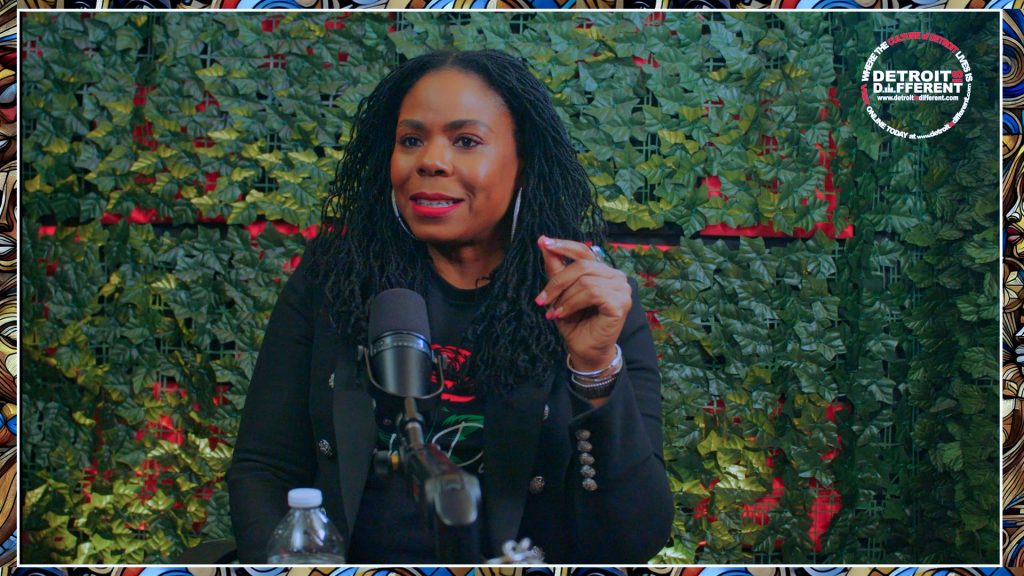
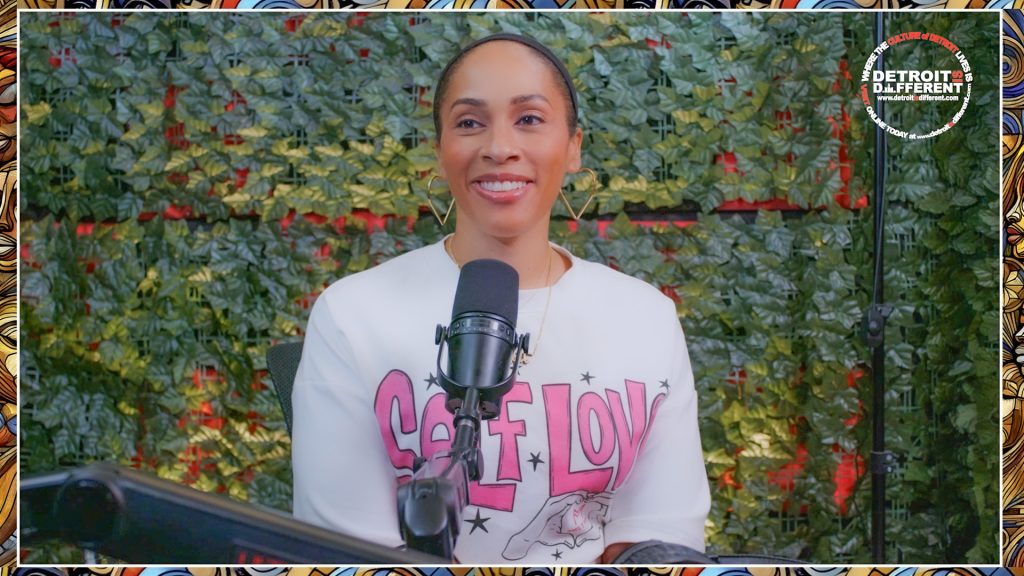
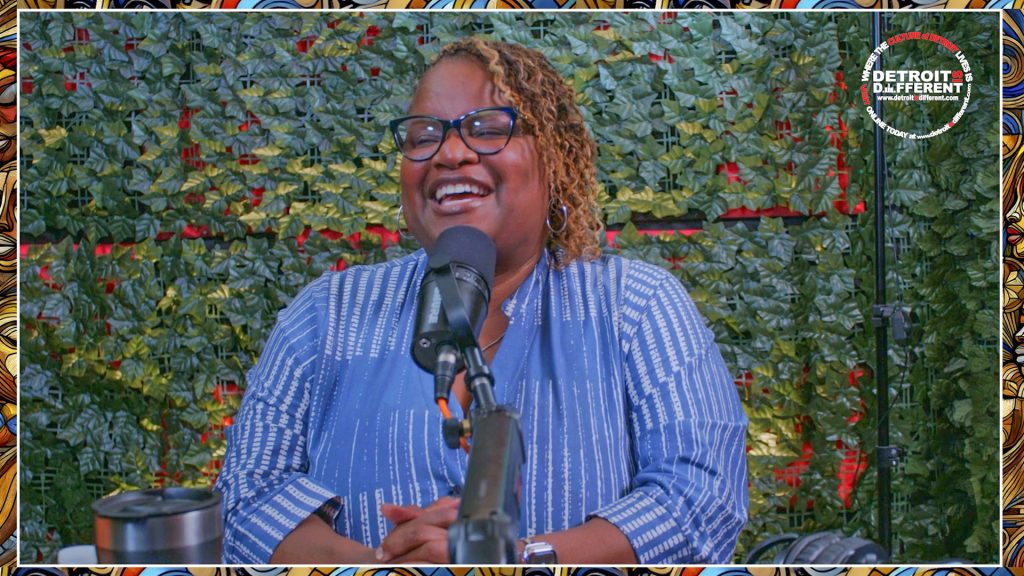
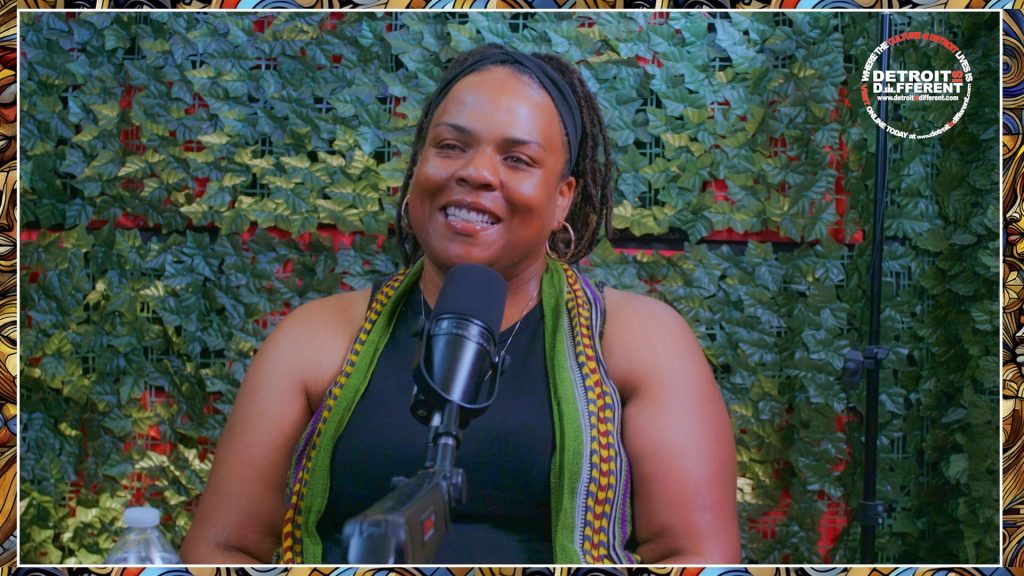
  • Latest episode: “Breaking Curses, Building Community: Inside the Modern Day High Priestess with Ber-Henda Williams”
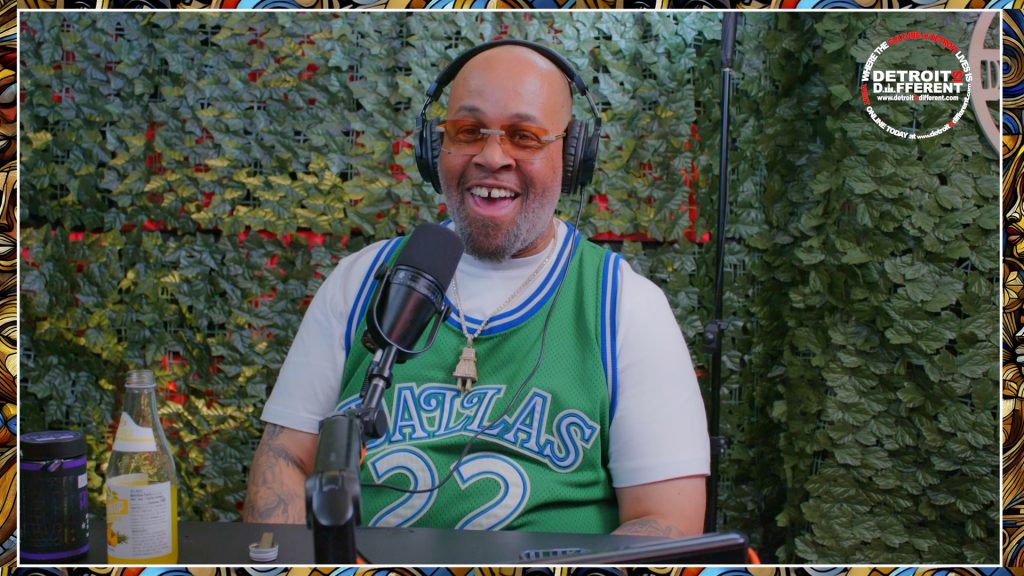
  • Latest episode: “From Scripts to Fatherhood: MJ the Don on Creativity, Patience, and Legacy”

  • Latest episode: “I Set Up Shop and Built the Vision, Jason Phillips on Art, Ink, and Detroit Legacy”
  • Latest episode: “Breaking Curses, Building Community: Inside the Modern Day High Priestess with Ber-Henda Williams”
  • Latest episode: “From Scripts to Fatherhood: MJ the Don on Creativity, Patience, and Legacy”

Video Playlist

Podcasts

Detroit is Different Services

What Detroiters Should Expect if Mary Sheffield Becomes Mayor

“If we don’t remember what 1926 taught us, we’ll miss what 2026 is calling us to do.”In this electric Detroit Is Different episode, Gary Anderson—Artistic Director of Plowshares Theatre Company—pulls us deep into the crossroads of past and future Black liberation through the lens of Black theater. Anderson reminds us that W.E.B. Du Bois’ 1926 call for theaters “by us, for us, about us, and near us” still hits with urgency today as America heads toward its 250-year anniversary. Through stories ranging from the rebirth of the KKK to Black women losing jobs in record numbers, he argues that the same pressures that shaped our ancestors’ creative resistance are re-emerging—and theater remains one of our sharpest tools for truth-telling, healing, and institution-building. Anderson shares why Plowshares’ 36-year legacy matters, how Black theater has always whispered the messages our people needed, and why 2026 will launch work like Roberto Clemente: A Diamond Within to unite Black Detroit across generations. From FUBU to Killmonger, from collard greens to cultural survival, this conversation is a masterclass in how Black Detroit remembers, creates, and fights forward. If you care about legacy Black culture—its roots and its next chapter—you need this episode.

“Boycotting is good, but building is better.” In this Detroit is Different conversation, Black Leaders Detroit CEO & Founder Dwan Dandridge breaks down what it really means to build a Black future funded by Black people—one dollar a week at a time. We talk about why a simple commitment like, “We should be able to prioritize five minutes to donate a dollar,” is not just crowdfunding, it’s a direct continuation of the Million Man March energy where, as Dwan remembers, “They told us to pull out a dollar and said, ‘This is what they fear.’” Dwan walks us through how Black Leaders Detroit has moved over $5 million in no-interest loans and grants to Black-owned businesses, from barbershops to boutiques to natural hair pioneers like Textures by Nefertiti, proving that “$2,500 or $5,000 might not be a lot to some, but it can save a building, a legacy, and a block.” He also gets deeply personal—sharing how he flatlined in 2018, now lives with a pacemaker, and still chooses a leadership style rooted in sacrifice: “Everybody else gets to run to safety. If anybody goes under the bus, it ends up being the leader.” From telling funders “we don’t do any ass kissing here,” to refusing to water down the name Black Leaders Detroit even as attacks on DEI rise, Dwan’s ethic is simple: “I don’t allow myself to want anything bad enough to compromise what’s right.” This episode is about legacy Black culture as living practice—cooperative economics, spiritual courage, and the kind of reputation where, as Dwan says, “If I’m not who I say I am, I want to get exposed.”

“We were really tired of the media narrative around Black men.” From that frustration, Darlene King-Turner – CEO & President of The Unity Collective – helped birth the National Black Men in Leadership Conference, now in its fifth year and returning to Huntington Place this December as a direct response to the murder of George Floyd and generations of distorted images of Black manhood. In this Detroit is Different episode, she traces her roots from Georgia and Alabama to the downriver 48217/Southwest Detroit corridor – a Black community of steelworkers, teachers, Black doctors, and midwives – and connects that history to today’s environmental injustice, noting that those zip codes carry some of the state’s highest cancer rates while being “forgotten when it’s time for capital and funding.” Darlene walks us through being sent as a 17-year-old to a mostly white Christian college in the U.P. so she could “learn how America really operates,” then coming back to Wayne State in the early ’90s as Africana Studies, Kente stoles, and Black graduation reshaped campus culture. From building Wayne RESA’s first professional development and events department to crafting its first diversity strategy, she breaks down how “diversity brought people in the door, inclusion tried to make them feel like they belonged, but equity is what really shook the table,” and why equity isn’t “taking something from you to give to someone else,” but giving people what they need to thrive. We unpack DEI’s current backlash and Project 2025, why Black men still hold only 3.2% of leadership roles nationally, and why some are now afraid to even attend a conference with “Black” in the title, even as Darlene insists that “until Black men are in the boardrooms and the C-suites, this country will not grow in the way it needs to.” She frames this year’s theme, The Power of Us, as both a call to action and an extension of the Civil Rights fight – from Detroit’s African-centered education battles to today’s reparations and racial equity work – making this episode a blueprint for how legacy Black Detroit is shaping the future of Black leadership and why loving on Black men in public is essential to the next chapter of our culture.

“Detroiters are our assignment editors.” That line from Orlando Bailey sets the tone for a conversation that is both legacy-rooted and forward-looking, as he sits back in the Detroit is Different studio and walks us through his evolution from a kid in Youth on the Edge of Greatness to Executive Director of Outlier Media—one of Detroit’s most trusted sources for civic truth. In this episode, Orlando reflects on growing up East Side under the watchful love of giants like Maggie DeSantis and Donna Givens Davidson, describing ECN as an organization that “walked right beside me my entire life.” He breaks down the weight of Black leadership today, especially in a media landscape where “the truth is incendiary to the chambers of power,” and shares how becoming an ED forced him to be “as open, as honest, and with as many eyes on my stuff as possible.” We talk collard green juice on the gym floor, judges who need robes, and why Detroit storytelling—done authentically—remains the strongest defense against erasure. With wisdom, humor, and Detroit cultural fluency, Orlando unpacks everything from the future of local journalism to the politics of public transit to the spiritual power of Black people telling the truth about themselves. This episode is Detroit past, Detroit present, and Detroit future talking to each other in real time.

Detroit is Different Community

Detroit Next

Stay Connected

Get Latest Updates

Featured Podcast

Archives

This is the heading

Lorem ipsum dolor sit amet consectetur adipiscing elit dolor

This is the heading

Lorem ipsum dolor sit amet consectetur adipiscing elit dolor
Click Here