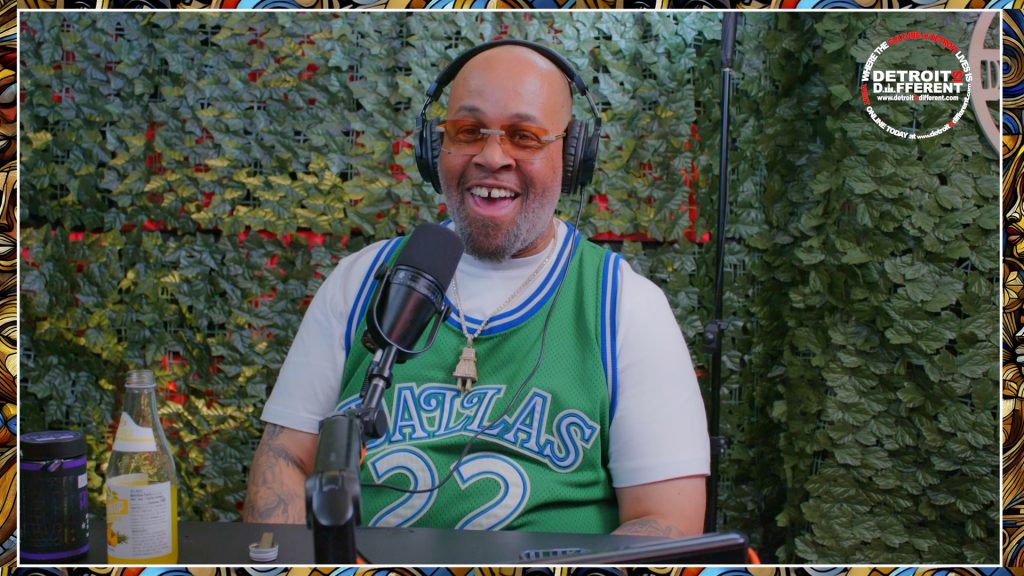
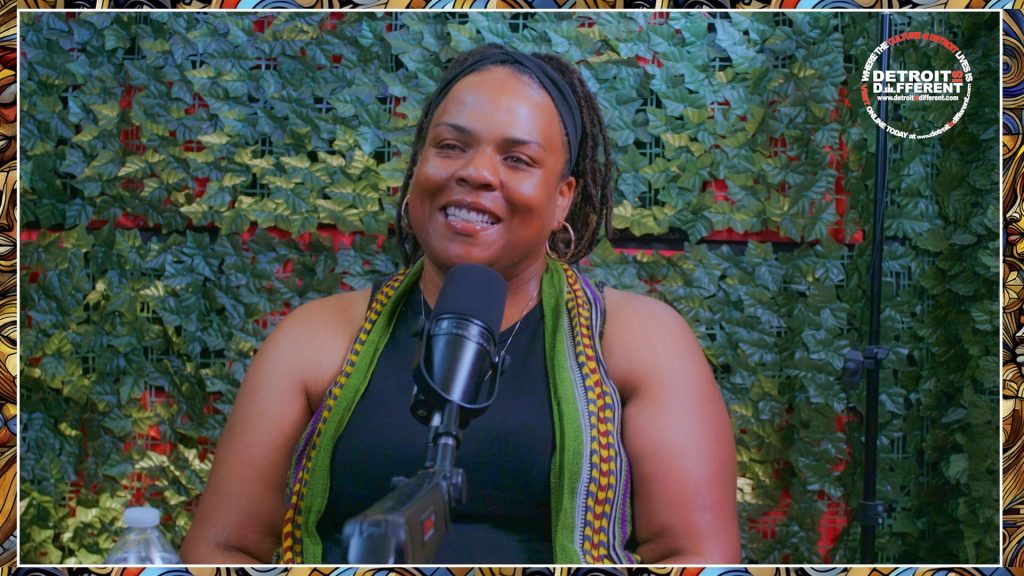
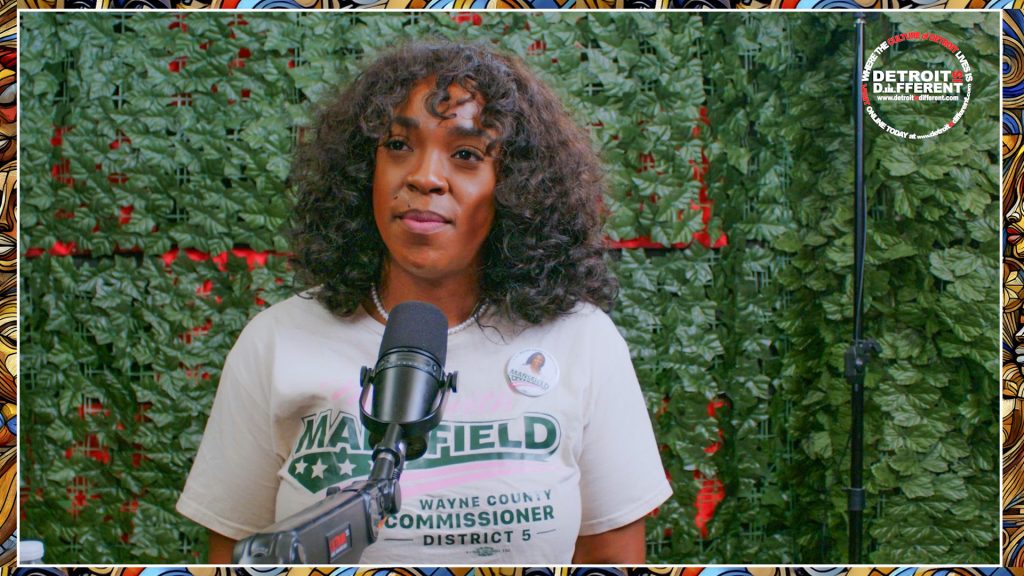
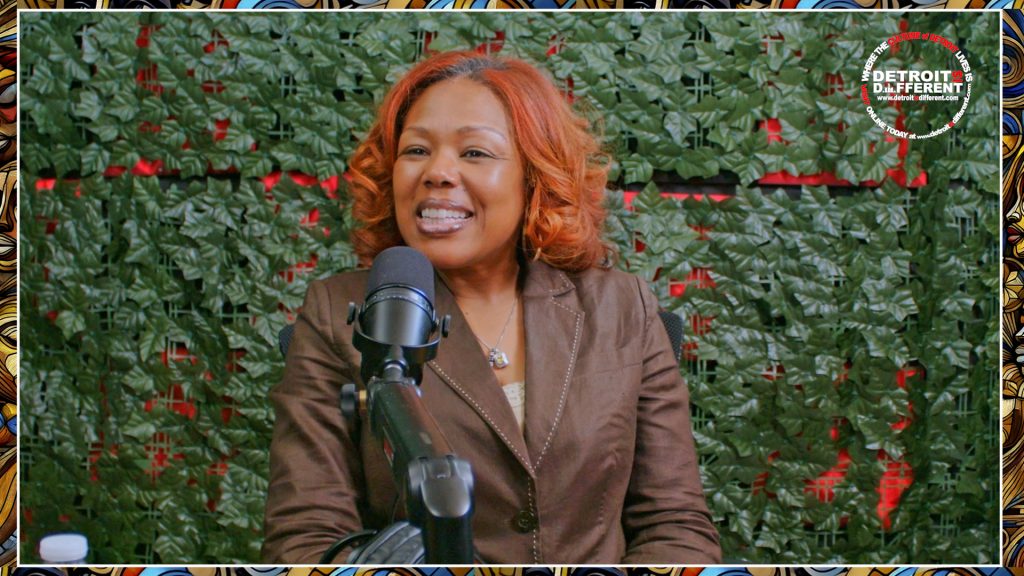
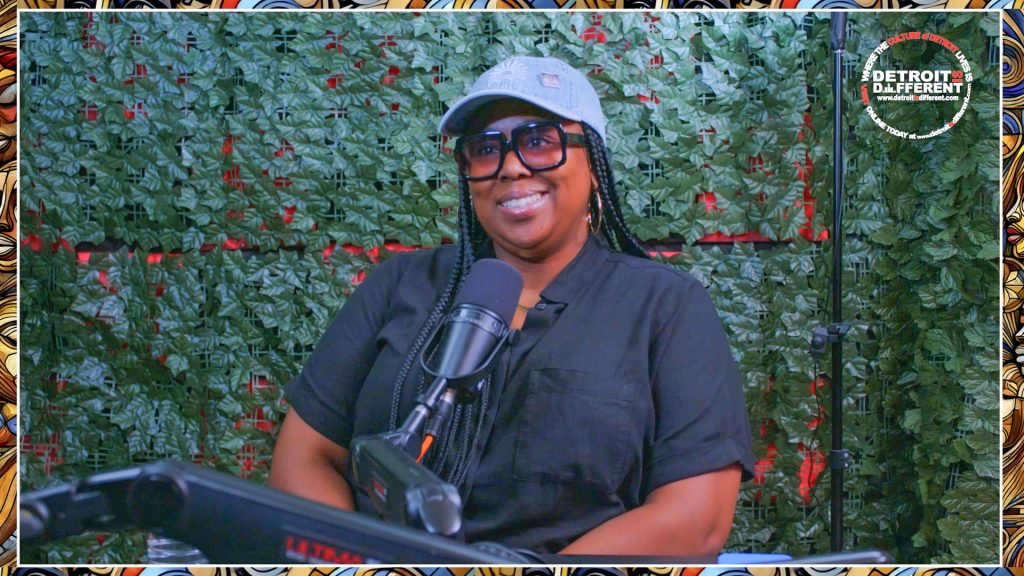
“The Freedom Fighter is in my blood,” Jenell Mansfield says, tracing her roots from Macon, Georgia, to Dexter-Davidson, the Jeffries Projects, Central High School, and Haiti’s revolutionary legacy. In this Detroit is Different conversation, Mansfield, a teacher and social worker running for Wayne County Commissioner in the 5th District, opens up about the generations that shaped her politics, purpose, and love for Black people. Her family story begins with Great Migration dreams, a veteran great-grandfather seeking something better, grandparents who came of age in Motown-era Detroit, and a Haitian father whose history taught her that freedom is never given. Mansfield connects personal memory to public policy, breaking down how housing, poverty, education, water shutoffs, and “hyper ghetto” conditions impact what Detroiters can imagine for their futures. She reminds us, “You can’t be what you can’t see,” while challenging listeners to think about what happens when Black communities are separated from resources, elders, and examples of possibility. This interview matters because it ties Detroit’s past to the political choices ahead, showing how lived experience, social work, teaching, and community love can become a blueprint for leadership rooted in the people.






Unexpected Conversations: The Most Interesting Talks
"In conversations, sometimes unexpected brilliance shines through those we least expect. This excerpt from our 500th podcast episode of `Detroit is Different` delves into one such dialogue with the legend from the Four Tops. Khary Frazier engages with the fascinating storyteller who’s been behind their tour wardrobe for years. Discover why these stories are so vibrant and unmissable. Watch to be intrigued by tales that promise more depth beyond what meets the eye.
From Grandma’s Bedroom to 500: The Pulse of Legacy Black Detroit
Detroit is Different episode 500 featuring Khary Frazier hosted by Khan Santori
#DetroitIsDifferent #UnexpectedConversations #PodcastMilestone

The Start of Detroit is Different in 2014
"Let me introduce people to the Detroit that I know." Khary Frazier shares the vision and story behind "Detroit is Different," a podcast that began at a small French restaurant and grew into a cultural hub. Uncover the early days featuring conversations with local icons like Malik Yakini and rockers like Carolyn Striho. This platform has brought together voices from all walks of life to tell Detroit`s unique story. As we commemorate the 500th episode, join us in this celebration of community and cultural dialogue.
From Grandma’s Bedroom to 500: The Pulse of Legacy Black Detroit
Detroit is Different episode 500 featuring Khary Frazier hosted by Khan Santori
#DetroitStories #CulturalConversations #KharyFrazier #DetroitIsDifferent
Authentic Detroit Story
"I`m glad that I`ve built what I built, how I built it." Celebrate a milestone with Detroit is Different`s 500th podcast, featuring founder Khary Frazier. Uncover the thought-provoking dialogue that sets this podcast apart, focusing on authentic storytelling rather than superficial stories. Khary Frazier`s commitment to genuine interviews ensures a deep connection to the heart of Detroit.
From Grandma’s Bedroom to 500: The Pulse of Legacy Black Detroit
Detroit is Different episode 500 featuring Khary Frazier hosted by Khan Santori
#DetroitIsDifferent #PodcastMilestone #KharyFrazier #AuthenticityInStorytelling #DetroitVoices
Building Dreams with Support of my Mom, God Mother, & Dad
"My mom really is liking it...this is the last memory of me and my mom interacting." Join Khary Frazier as he opens up about the personal and professional tapestry woven through his family ties in the 500th episode of Detroit is Different. Dive into the narrative that explores a deep connection to his parents and godmother, and how these bonds have shaped his path in Detroit`s creative scene. A touching reflection not to be missed.
From Grandma’s Bedroom to 500: The Pulse of Legacy Black Detroit
Detroit is Different episode 500 featuring Khary Frazier hosted by Khan Santori
#DetroitLegends #PodcastAnniversary #FamilySupport
Detroit, Thank You. From living-room brainstorms to citywide storytelling, your listens, shares, prayers, and pull-ups made Detroit is Different more than a platform—it’s a people-powered movement. We’ve felt the love through every high and every hurdle, and we’re still here because you show up. To our elders, youth, artists, activists, and everyday geniuses: you are the heartbeat. The work continues—louder, safer, and stronger.
In Love for your Support through the Growth of me to share collective Detroit stories
#DetroitIsDifferent #ThankYouDetroit #CommunityPower #BlackDetroit #StorytellingMatters #shorts
From Grandma’s Bedroom on Rosa Parks to a citywide archive: Khary Frazier sits with Kahn Santori for the 500th episode of Detroit is Different this Week! No clickbait—just the heartbeat of Legacy Black Detroit: My Natural Hair Show, Collard Green Cook-offs, & much more.
#DetroitIsDifferent #Episode500 #LegacyBlackDetroit #313
With hearts full of gratitude, we invite you to Legacy of Support: A Celebration of Thank You—honoring every guest, collaborator, listener, neighbor, collard green grower, natural hair stylist, podcast producer, elder, and all who’ve poured into Detroit is Different since our first podcast in 2014. What began as a concept has grown into a mission and a community of storytellers, culture keepers, organizers, artists, and everyday Detroiters. We’ll celebrate the love and labor behind our milestones, lift up the people who’ve built with us on air, online, and in community, and share what’s next—because the vision ahead is big and only possible with you. This is our way of saying thank you for your time, trust, testimonies, and ten-toes-down commitment to Detroit culture. Come be seen, be celebrated, and add your story to the legacy.
Invitations for RSVP coming very soon
#DetroitIsDifferent #LegacyOfSupport #DetroitCulture
Success Takes Time a 20-Year Journey
"It might not happen right there, but perseverance is key. Earl `E-40` Stevens remarked on his 11-year journey in the spirits industry, emphasizing long-term vision and adaptation. In his exclusive Detroit interview, E-40 delves into the importance of understanding market trends and staying healthy in business. Gain a fresh perspective on navigating challenges and staying ahead. Don`t miss this enlightening discussion on music, business, and personal growth.
The Game Ain’t Changed—Just the Product: E-40 Talks Ownership at Taste of Black Spirits Detroit
Detroit is Different episode 494 with Earl `E-40` Stevens
#E40 #BusinessStrategies #DetroitTalks #Perseverance #IndustryInsights