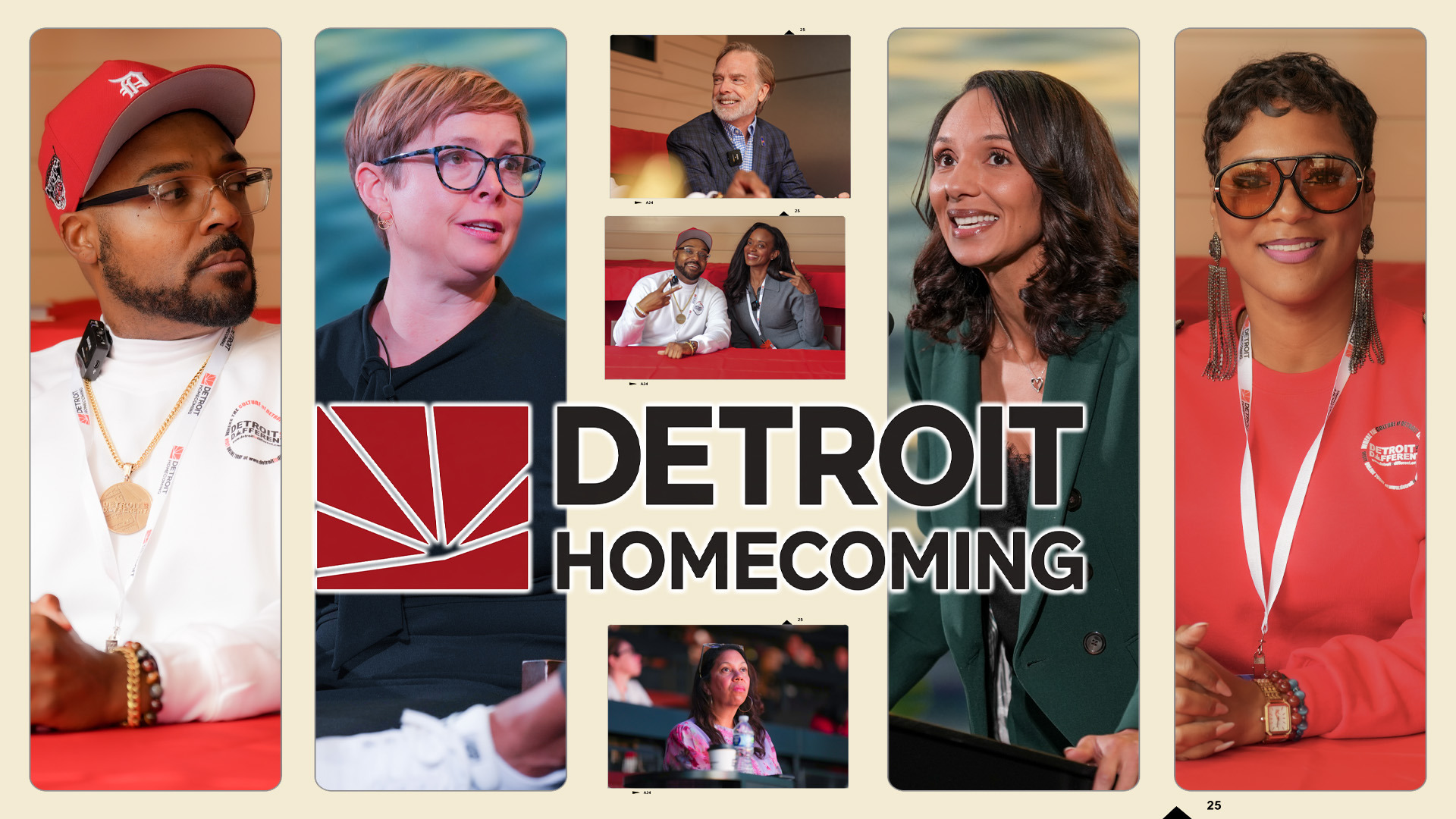
Detroit is Different

  • Latest episode: “One Opportunity to Make That First Impression: The Gospel of Hot Sam’s with Tony Stovall”
  • Latest episode: “When Organizers Step Into Office: Stephanie Chang on Legacy, Justice & Detroit’s Future”
  • Latest episode: “By Us, For Us, About Us, Near Us: Gary Anderson on Black Theatre in 2026”

  • Latest episode: “One Opportunity to Make That First Impression: The Gospel of Hot Sam’s with Tony Stovall”
  • Latest episode: “When Organizers Step Into Office: Stephanie Chang on Legacy, Justice & Detroit’s Future”
  • Latest episode: “By Us, For Us, About Us, Near Us: Gary Anderson on Black Theatre in 2026”

Video Playlist

Podcasts

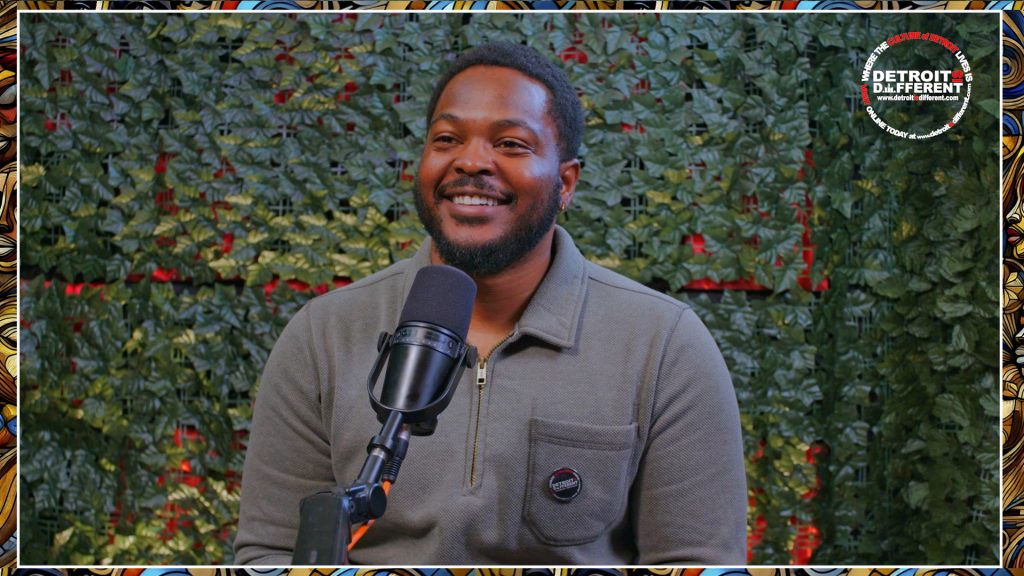
“Detroit would be a sad place if we weren’t all different,” says Hot Sam’s co-owner Tony Stovall, opening a conversation that moves like a masterclass in Black Detroit legacy, style, and spiritual grounding. In this Detroit is Different episode, Tony traces his journey from East St. Louis to the Eastside, from a 15-year-old getting his first suit to becoming co-owner of Detroit’s oldest Black-owned clothing store, a century-strong institution that shaped generations of our city’s fashion identity. “You have one opportunity to make your first impression,” he reminds us, weaving lessons on manhood, mentorship, and the power of loving our people out loud. Tony shares how he and Mr. Green built Hot Sam’s through grit, customer devotion, and faith—“Nothing comes between me and my partner but me or him”—and how Detroit’s flair impacts the world. This episode speaks to past and future: migration, Motown elegance, Black entrepreneurship, and why keeping the Black dollar circulating is a cultural responsibility. If you love Detroit, if you believe in legacy, if you believe that style is spiritual—this is required listening.

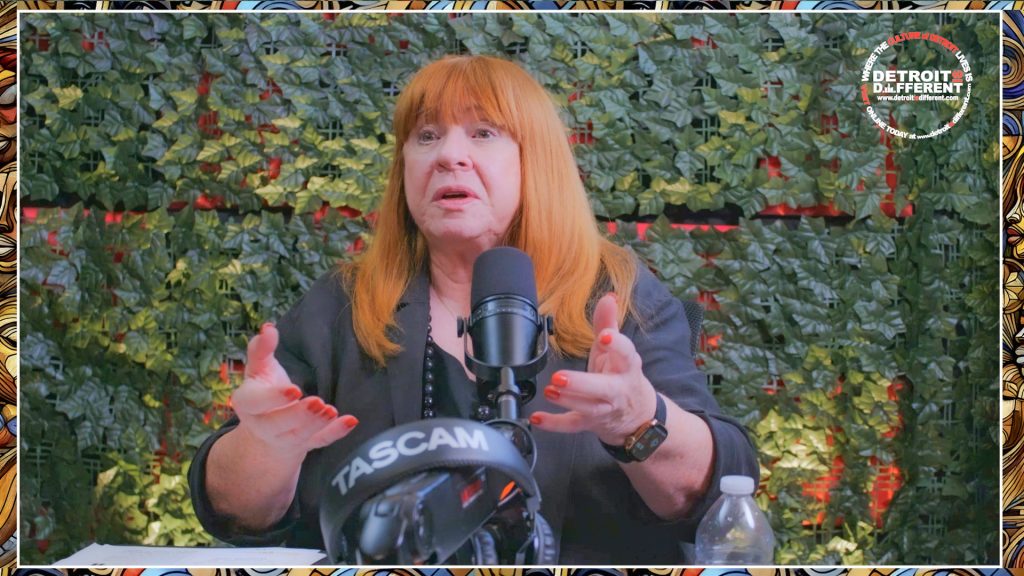
“We can use the same skills we learned organizing on the block to organize inside the halls of power.” That’s how Senator Stephanie Chang frames her journey—from a young volunteer knocking doors with Detroit activists to becoming one of the most grounded and community-rooted legislators in Michigan. In this Detroit Is Different conversation, Chang reflects on learning politics at the true street level, honoring water warriors like Mama Lila Cabbil (RIP) and Monica Lewis-Patrick, and carrying forward the multiracial advocacy traditions that shaped Detroit—from Vincent Chin to Black Bottom. “The issues I’m fighting now,” she says, “are the same ones I cared about before I ever thought about running.” With stories of living at the Boggs Center, lessons from Grace Lee Boggs’ organizing tree, and reflections on raising Black and Asian children in today’s Detroit, Chang unpacks how identity, justice, and policy collide. This episode is a bridge—connecting Detroit’s radical past to its rapidly shifting political future—and shines light on why grassroots leadership still matters in a city where water, land, affordability, and dignity remain at the center of the struggle. It’s an inspiring reminder that movements make leaders, and leaders must stay accountable to the movement.

“If we don’t remember what 1926 taught us, we’ll miss what 2026 is calling us to do.”In this electric Detroit Is Different episode, Gary Anderson—Artistic Director of Plowshares Theatre Company—pulls us deep into the crossroads of past and future Black liberation through the lens of Black theater. Anderson reminds us that W.E.B. Du Bois’ 1926 call for theaters “by us, for us, about us, and near us” still hits with urgency today as America heads toward its 250-year anniversary. Through stories ranging from the rebirth of the KKK to Black women losing jobs in record numbers, he argues that the same pressures that shaped our ancestors’ creative resistance are re-emerging—and theater remains one of our sharpest tools for truth-telling, healing, and institution-building. Anderson shares why Plowshares’ 36-year legacy matters, how Black theater has always whispered the messages our people needed, and why 2026 will launch work like Roberto Clemente: A Diamond Within to unite Black Detroit across generations. From FUBU to Killmonger, from collard greens to cultural survival, this conversation is a masterclass in how Black Detroit remembers, creates, and fights forward. If you care about legacy Black culture—its roots and its next chapter—you need this episode.

“Boycotting is good, but building is better.” In this Detroit is Different conversation, Black Leaders Detroit CEO & Founder Dwan Dandridge breaks down what it really means to build a Black future funded by Black people—one dollar a week at a time. We talk about why a simple commitment like, “We should be able to prioritize five minutes to donate a dollar,” is not just crowdfunding, it’s a direct continuation of the Million Man March energy where, as Dwan remembers, “They told us to pull out a dollar and said, ‘This is what they fear.’” Dwan walks us through how Black Leaders Detroit has moved over $5 million in no-interest loans and grants to Black-owned businesses, from barbershops to boutiques to natural hair pioneers like Textures by Nefertiti, proving that “$2,500 or $5,000 might not be a lot to some, but it can save a building, a legacy, and a block.” He also gets deeply personal—sharing how he flatlined in 2018, now lives with a pacemaker, and still chooses a leadership style rooted in sacrifice: “Everybody else gets to run to safety. If anybody goes under the bus, it ends up being the leader.” From telling funders “we don’t do any ass kissing here,” to refusing to water down the name Black Leaders Detroit even as attacks on DEI rise, Dwan’s ethic is simple: “I don’t allow myself to want anything bad enough to compromise what’s right.” This episode is about legacy Black culture as living practice—cooperative economics, spiritual courage, and the kind of reputation where, as Dwan says, “If I’m not who I say I am, I want to get exposed.”

Stay Connected

Get Latest Updates

Featured Podcast

Archives